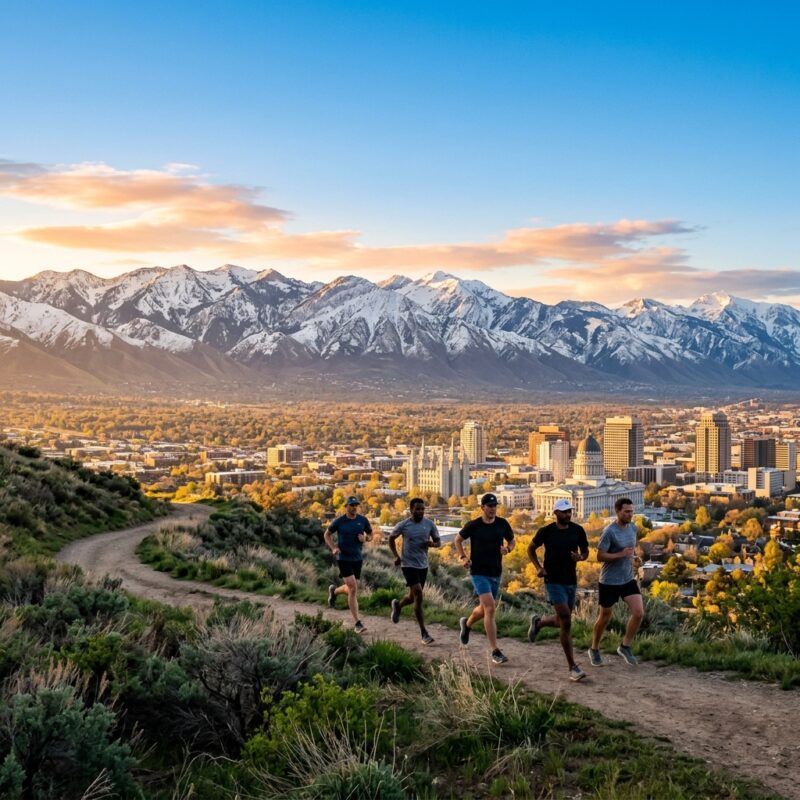
Living at higher elevations changes how your body functions, and sometimes you may not even notice it. Salt Lake City is at about 4,226 feet above sea level, which is about a 18% decrease in available oxygen. Hiking can really take a toll on the body, but for some men in the Salt Lake Valley, the lack of available oxygen can also negatively affect hormone production and overall wellness.
How Altitude Changes Oxygen and Hormones
When there is less available oxygen, it can place additional stress and demands on the body’s endocrine and hormonal systems. Research has shown that living at higher elevations can negatively affect the hypothalamic-pituitary-gonadal axis, which regulates testosterone production. Men in Salt Lake City may experience fatigue, lowered libido, and negative changes in their metabolism.
Testosterone Replacement Therapy in Salt Lake City
Testosterone replacement therapy in Salt Lake City may help address some of the symptoms and negative effects on wellness that are attributed to living at a higher elevation. Local providers of testosterone replacement therapy in Salt Lake City may take into account some of the negative effects of living at a higher elevation and tailor your treatment to you as an individual rather than using the same treatment on everyone.
Altitude Acclimatization and Hormone Health
While most people adjust to Salt Lake City’s elevation within a couple of weeks, some may take longer to acclimatize. In the first few weeks of your stay in SLC, it is important to stay hydrated and get adequate rest and nutrition. This helps with your body’s natural hormone balance. Male hormone replacement therapy in Salt Lake City can help men recover faster in cases where lifestyle changes do not improve the situation.
Lifestyle Strategies for Optimal Health
If you are looking for some adjustments to make that can really help you while living at altitude, try the following:
- Drink a lot of water to combat the extreme dryness of the air and be proactive with hydration.
- Prioritize deep sleep so you can maximize your body’s natural production of testosterone.
- Engage in consistent physical activity to facilitate better utilization of oxygen.
When to Seek Professional Help
If fatigue or low motivation persists beyond the typical acclimatization period, you should consider getting checked out. A blood test can tell us if altitude is contributing to hormone deficiency. If that is the case, we can figure out if male hormone replacement therapy in Salt Lake City is appropriate.
Living Well at Elevation
Elevation takes a unique toll on men’s health in often-overlooked ways. Being able to correlate your everyday energy with hormones and the availability of oxygen in the air can help you feel more like yourself. If a person has ongoing symptoms from elevation, then male hormone replacement therapy in Salt Lake City would be one of the better options to help address altitude-related hormone concerns.